
HOME Preternatural
PRETERNATURAL

‘Artificial Intelligence has found a new way to learn’
Preternatural. I lived in the house from 1985 until 1994, experiencing much but saying little. Most of what I can discuss dates from this time, from anecdotal information provided by others, but principally from the archive material I disinterred and other events which have subsequently been revealed.
Note & Disclaimer
The events described here lead up to the fire of 1996 and no later activities form any part of this record. The location, however, cannot be changed. For now.
Fact or Fiction?
The Archive is real. The intelligence applied to the original material and to real events is artificial. Generated by machine making its own choices and patterns.
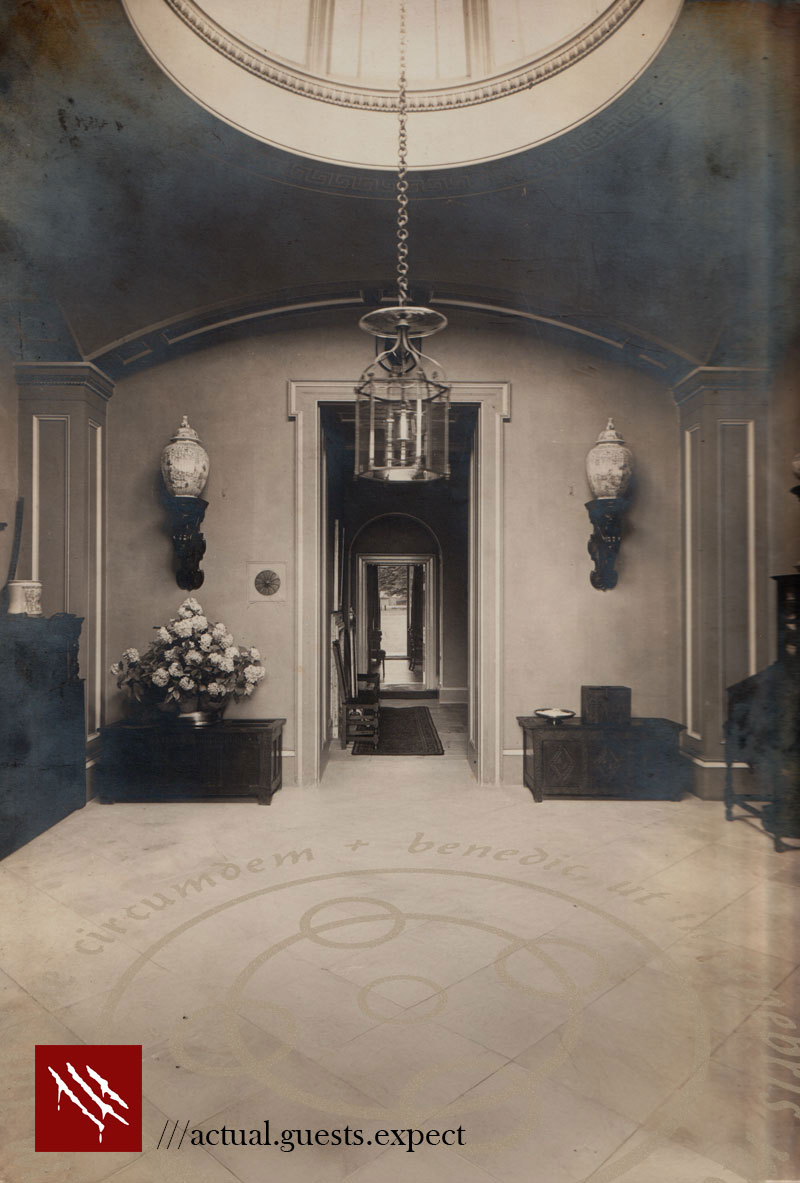

All location references: ‘what3words’
The events that build this narrative are factually and identifiably true. Not only can the unfolding horror be traced to source references, but it can also be pinpointed to series of exact positions within 3m² of the event location.
Original road entrance, Heytesbury: ///motivates.steadily.shocked
New Entrance after 1986: ///provide.sometimes.momentous
Coincidentally, or otherwise, my bedroom was located at: ///infinite.remembers.puzzles
Uniquely, using a commonly available app (what3words), each element of narrative evidence corresponds to an alarmingly relevant, clickable, reference as the story unfolds.
preternatural.co.uk
Heytesbury House
Heytesbury, Warminster, Wiltshire.

A brief history
The present Georgian period house was rebuilt by the Ashe à Court family (Baron Heytesbury) in the 1780s, based upon a much earlier structure(s), with alterations carried out in the 1820s.
There is evidence of Roman and pre-Roman settlement locally. A freshwater spring runs beneath the main house suggesting possible occupancy during the Neolithic period in combination with the numerous other local features associated with early human habitation in Wiltshire.
Notable former residents include William à Court, 1st Baron Heytesbury, Lord Lieutenant of Ireland during the Great Famine. The war poet, Siegfried Sassoon, bought the property in 1933 and lived there until his death in 1967. His only child, George Sassoon, was forced to sell the estate in 1994 following extensive losses at Lloyds of London.
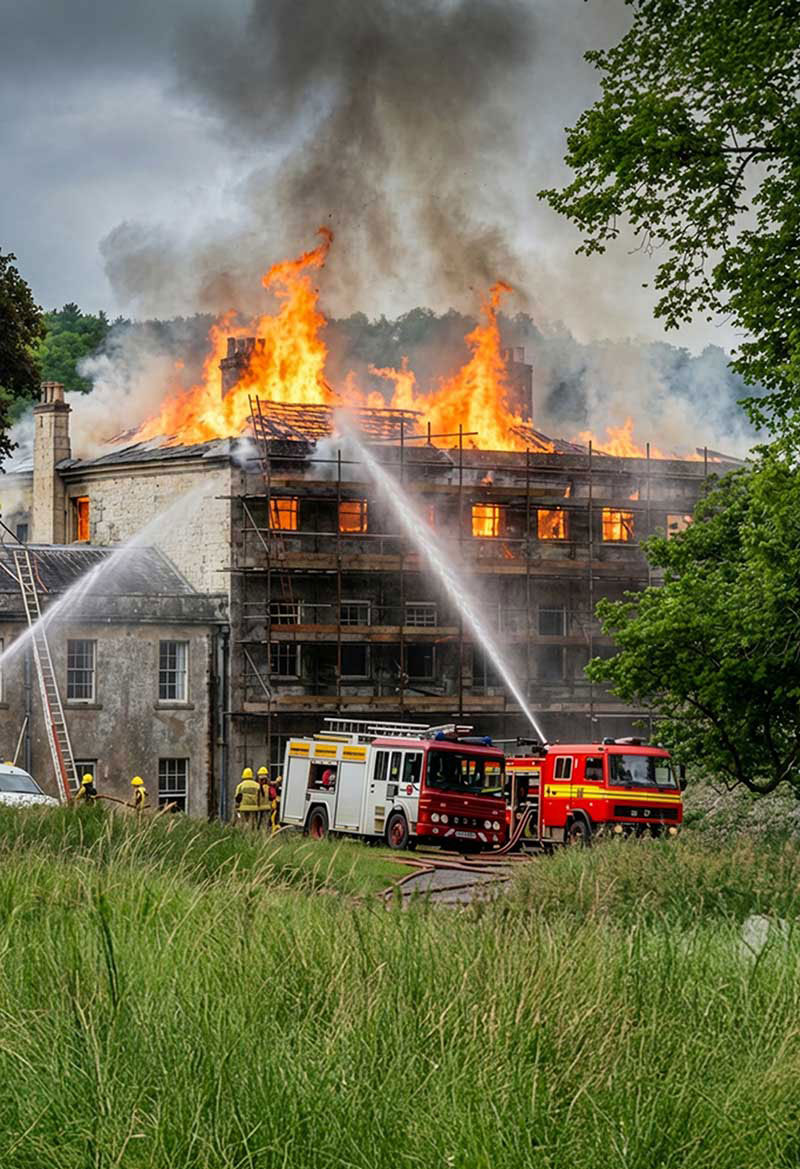
The main structure was eventually divided into apartments by the purchaser following an unexplained fire in 1996 which entirely gutted the main building interior.
George Sassoon was my stepfather, but was effectively my father for most of my life until his death in 2006.
The Archive
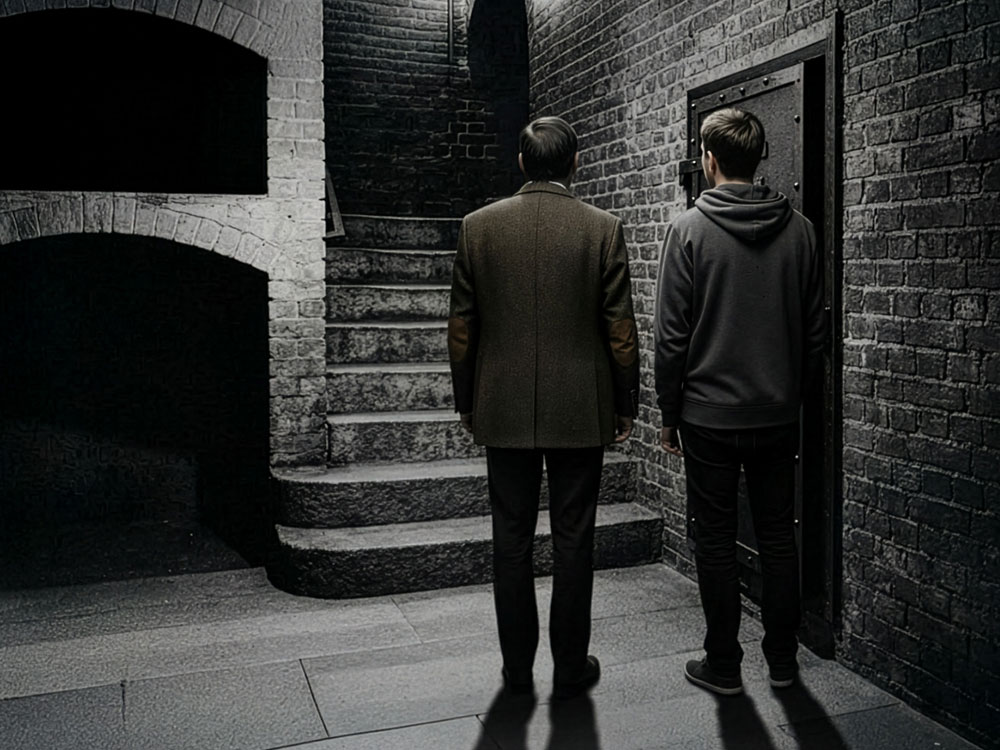
I remembered the black enamel metal trunk from the chamber. Beneath Heytesbury House there were extensive, vaulted, cellars reaching out into the blackness, but this underground chamber had its own separate entrance door. A green wooden door, green for servants only, accessed from the servants’ corridor with a stone winding staircase leading to what resembled an armoured safe door in a bank vault.
The door was rusted shut. Or rather, permanently ajar, neither locked nor open, but you could peer through a gap with a torch into the darkness and light up a facing brick wall, whitewashed with mould. I had no idea what was in there as no one had ever been in there, according to George Sassoon.
In 1993, with the house up for sale and crawling with antiques expertise, tweedy estate agents and skips full of books, George and I decided to take a final look into the sealed room.
Trying to force the vault door open, we applied physics first, along with a couple of cans of WD40. Ever increasingly long and thick solid metal levers were used to pry through the door gap into the chamber, but neither leverage nor lubricant could shift it. The vault door’s hinges had been welded shut by decades of rust.
And then we tried pickaxes and sledgehammers thinking that if we couldn’t go through the door then we’d go around it. The brute force answer was to demolish the side wall and crawl in through the gap created. Which we did. Or rather I did, because I was younger, thinner and more disposable.
Pushing headfirst into the new opening, I lowered myself into the chamber and George handed me a torch. Standing up, I swept the torch beam through the swirling brick dust and lit up an arched brick alcove with stone-built shelving. I could see a small stack of wine bottles facing me on the higher of the two shelves and on the lower shelf was the large black metal box.
Otherwise, the chamber was empty, other than a long dead hanging light bulb, and an ecosystem of spiders that had draped a carpet of greyish white web from floor to ceiling.
I handed the wine bottles, one at a time, out to George and then investigated the metal box. It was about the size of a largish suitcase with metal side handles and was firmly sealed with a hinged single keyed lock.
We replaced the light bulb and then lifted the box out through the opening. The wine was disappointing, most of the labels had perished beyond legibility in the damp and whatever they contained was long-since undrinkable. One of the labels, which was still readable, dated the wine to the late 1930s.
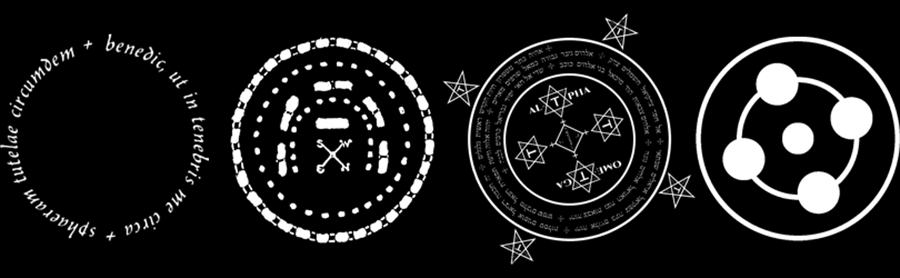
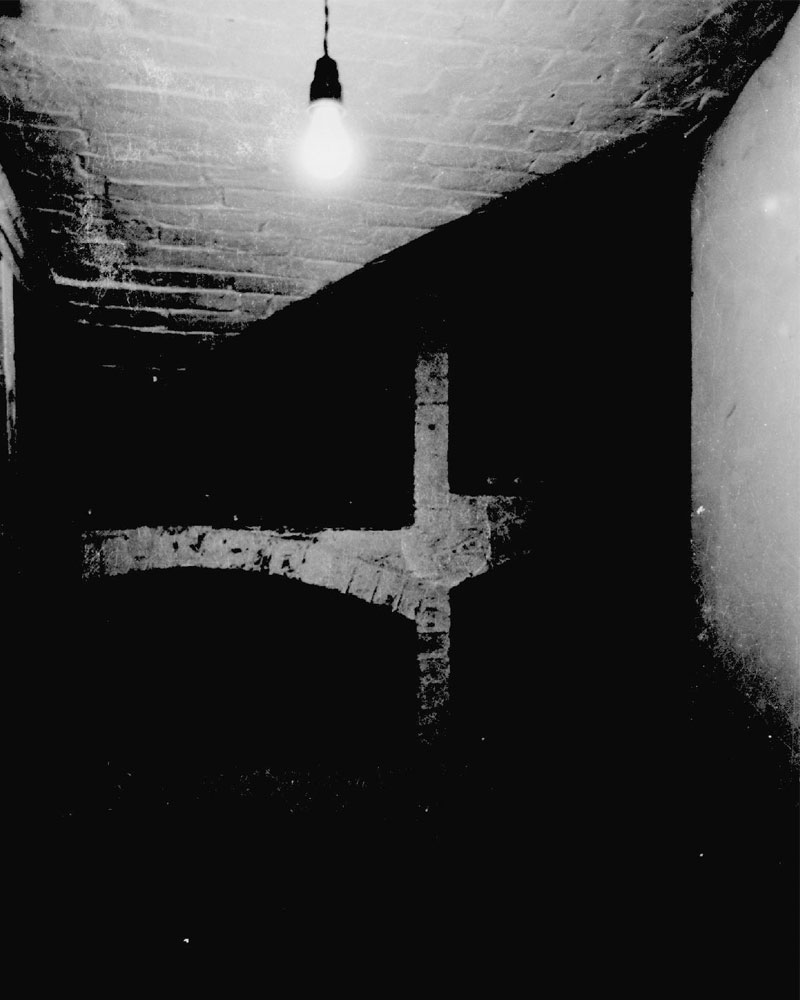
Original image of the cellars at Heytesbury. Following 1996, the entire network of chambers was filled in and sealed. ///intrigues.appealing.building
The box was older. An officer’s military steamer trunk. But instead of being inscribed with the owner’s name, it was roughly hand painted on the top with five white circles, formed as a five of dice.
The box was from the 1920s. There were newspaper cuttings dating from the time of the General Strike separating various original drawings and formal plans of Heytesbury House, one hand drawn sketch was dated 1781. The contents formed an archive of Heytesbury House dating from the major reconstruction of the house by the Ashe à Courts in 1782 but also some, highly peculiar, items from quite some time beyond the eighteenth century.
The sometime beyond is where all of this begins…
| Heytesbury House Archive |
Knook Army Camp, Heytesbury – The First Visitation in 1964. Production November 2025. ///history.novels.decoding
preternatural.co.uk
PRETERNATURAL SITE MAP
PRETERNATURAL EXTERNAL LINKS