The HEYTESBURY HOUSE Archive
PRETERNATURAL

Author's Bedroom
///infinite.remembers.puzzles
Stonehenge (bluestone)
///region.conveys.proves
Entrance Hall
///actual.guests.expect
Stables (POV)
///dispensed.proofs.create
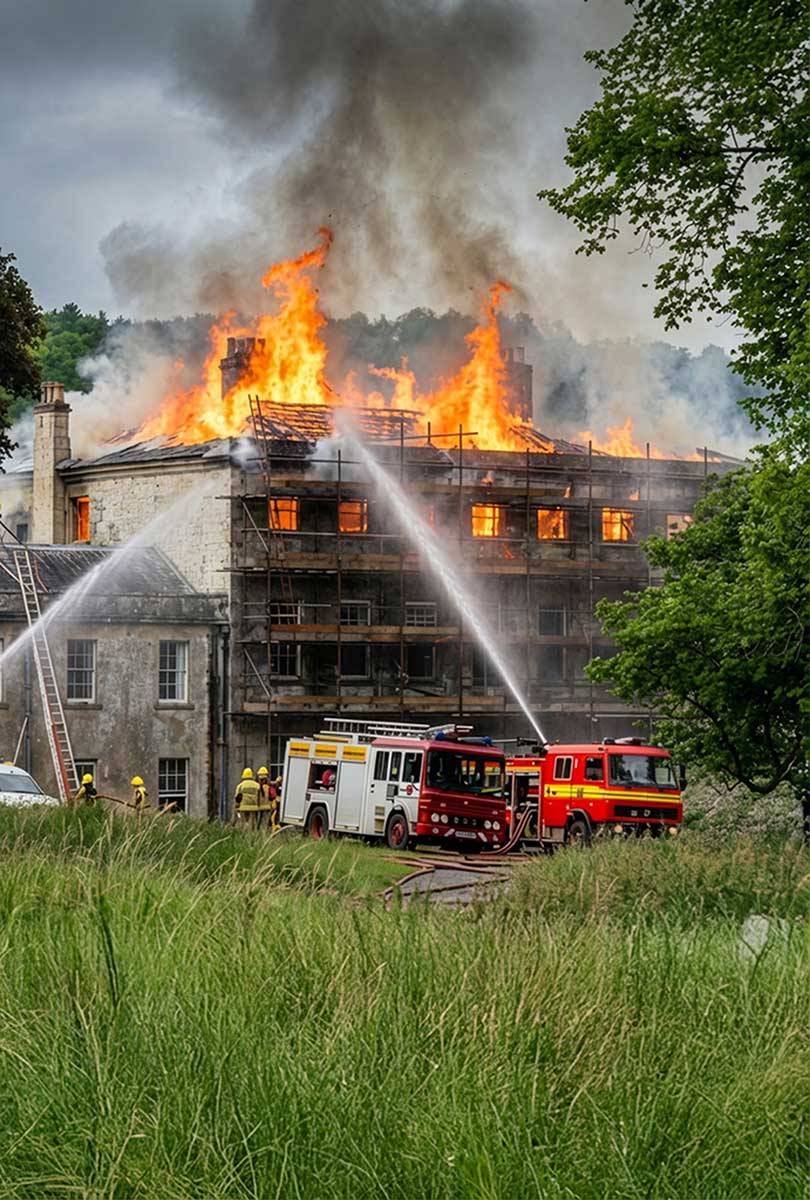
The Great Fire (POV)
///internet.served.activates
Cellars (Beneath)
///intrigues.appealing.building
US Army HQ (1944)
///campers.volunteered.signed
The Great Famine (Ireland)
///famines.swooned.addicted
New Entrance (1986)
///provide.sometimes.momentous
Orangery
///mastering.maddening.massive
Bathtub
///bathtubs.hook.outwards
Devil Rides Out
///complies.sends.daredevil
Circles Within
///clearly.lawns.circle

Heytesbuy House History
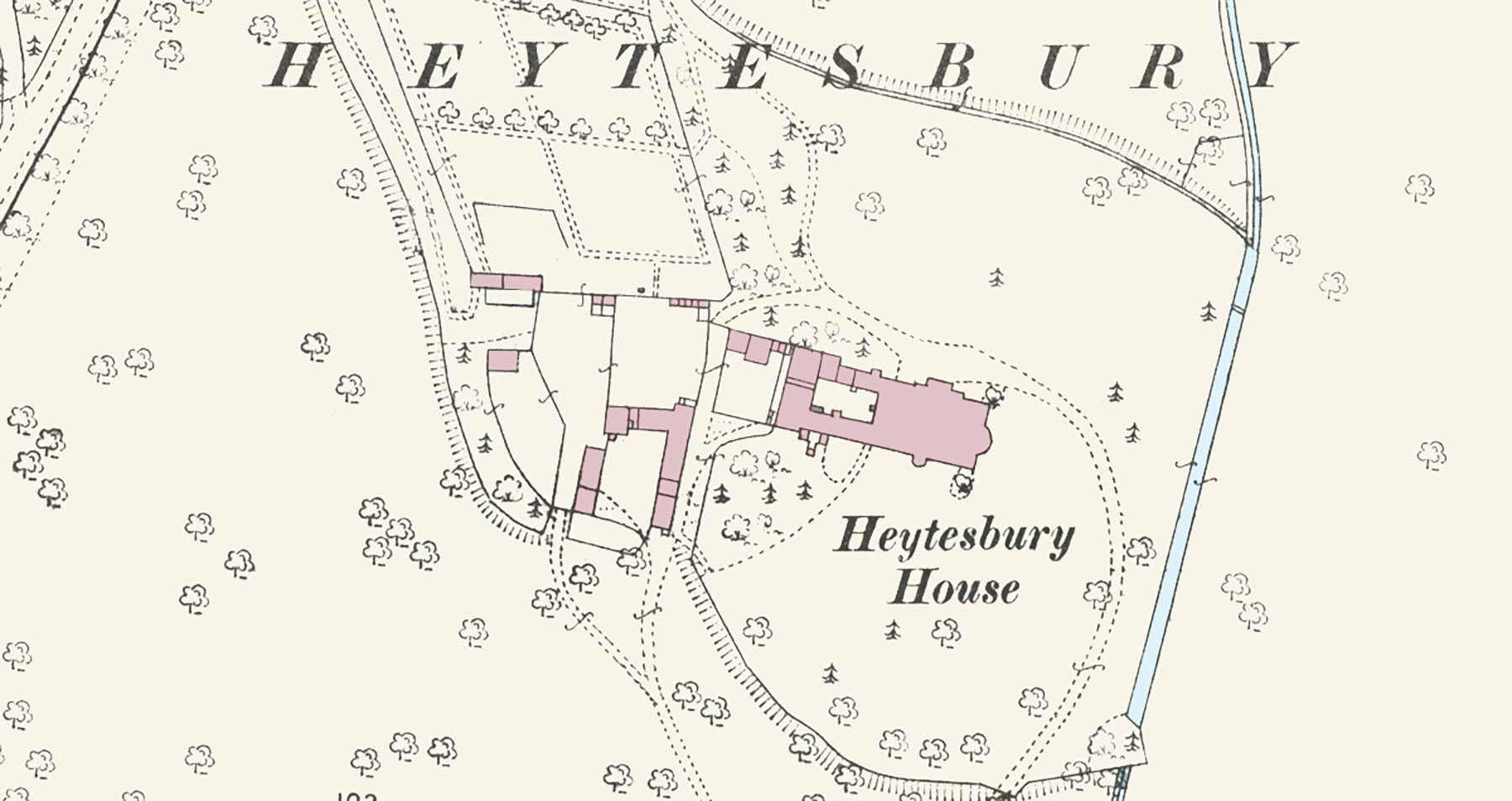
Foreground Map Heytesbury House circa 1850
Visual guide to referenced locations. For a detailed location use the ‘what3words’ positioning app.
Heytesbury House: Siegfried Sassoon
Siegfried Loraine Sassoon CBE MC moved to Heytesbury House in 1933 and lived in Heytesbury until his death in 1967. His only child, George Sassoon, was my step-father.
The Original Archive
The following images include family concepts and formal architectural drawings dating from the 1780s by John Wood the Younger (of Bath) . The north aspect added the present portico (1820s) re-routing the drive to circle the house to form the formal entrance.
Should you wish to place the 1820s portico at the location determined by what3words then explore (///trend.unlisted.archive) then enter the main entrance hall where this story reaches it’s crescendo (///actual.guests.expect).
Guests at the house have included Dennis Wheatley, author of The Devil Rides Out as based upon Heytesbury House. Others from the literary scene such as Robert Graves and TE Lawrence (of Arabia). Less welcome guests, as you will discover, multiply and spawn. Not least the most unwelcome guest of all.
But let the storyline lead you to where ///prayers.crackles.about or maybe ///sigh.overused.crescendo.
preternatural.co.uk
Heytesbury House
Heytesbury, Warminster, Wiltshire.
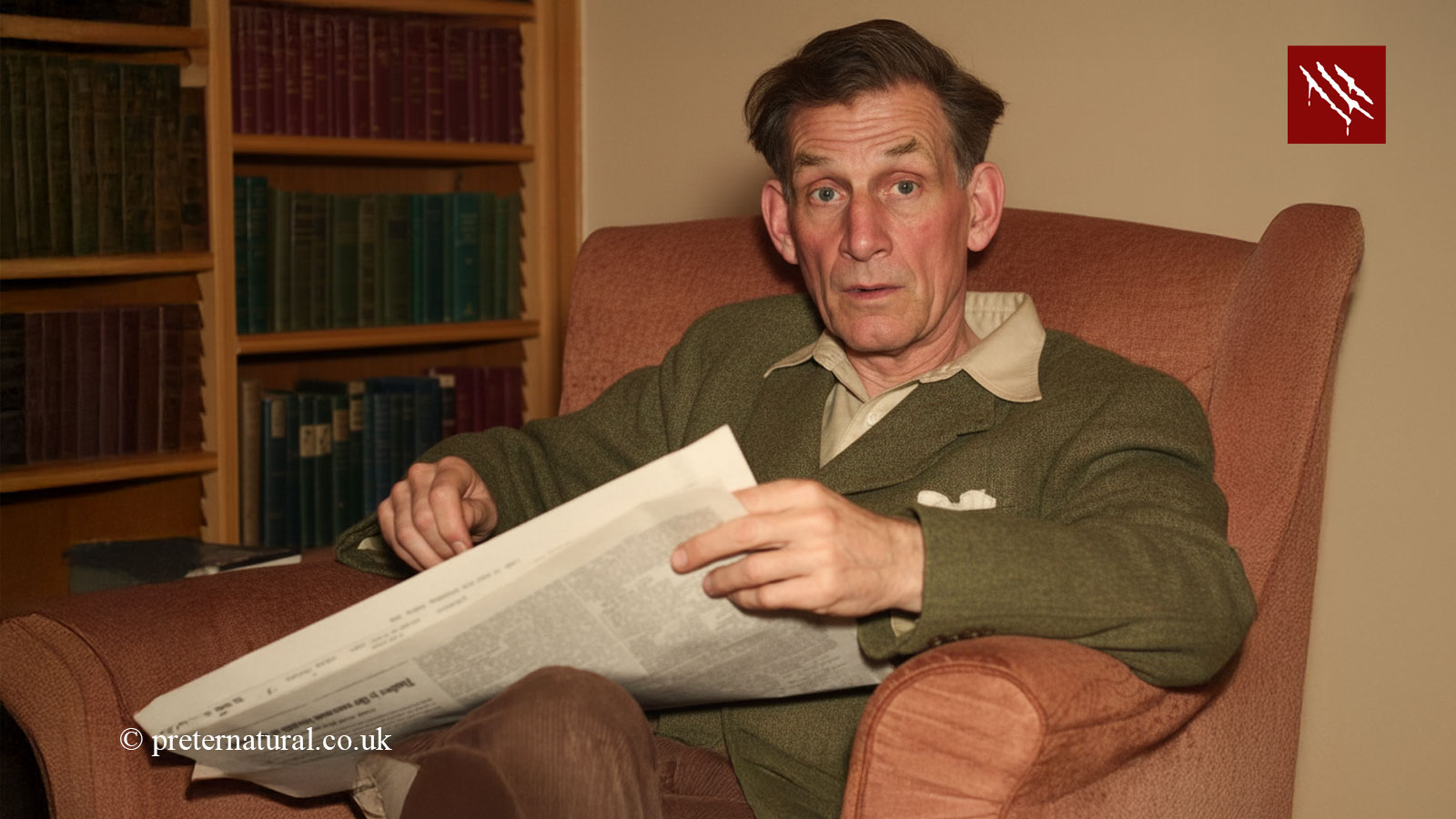
Siegfried Sassoon
Heytesbury House circa 1965
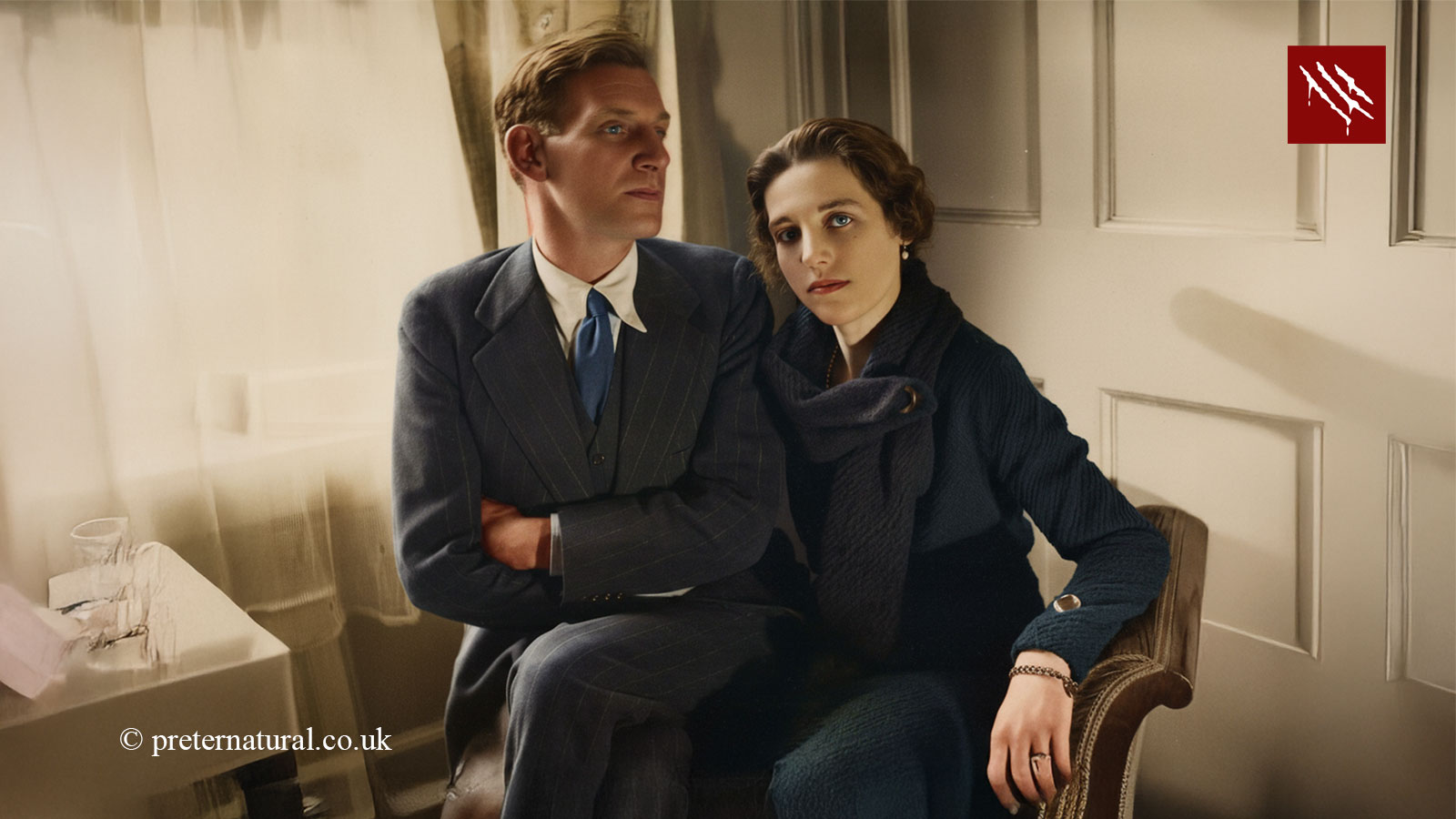
Siegfried with Hester Gatty
Original by Cecil Beaton
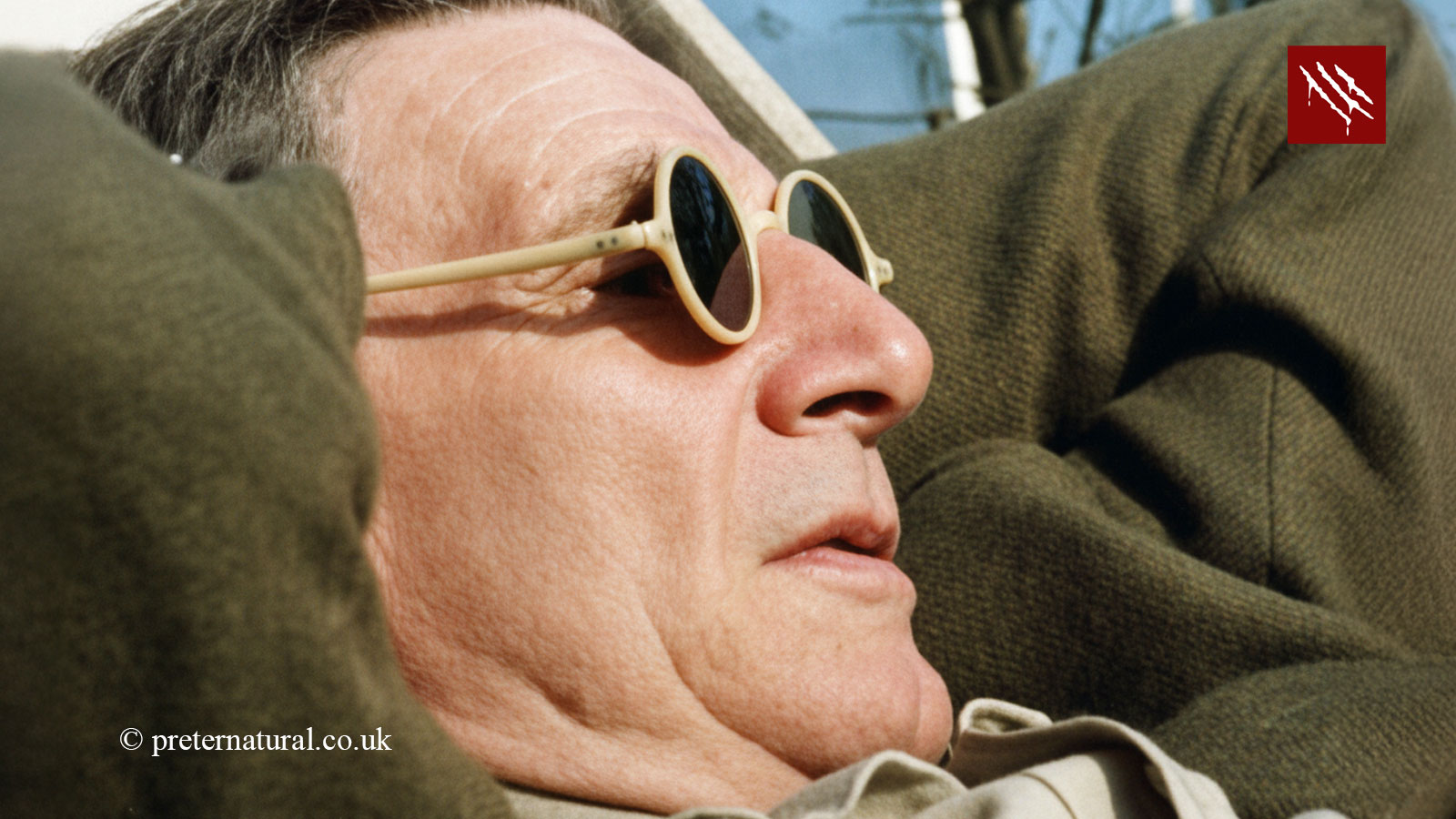
Siegfried Sassoon
Original by George Sassoon

Original Family Images of Siegfried Sassoon
Original images of Siegfried Sassoon, novelist and poet, taken by his son, George Sassoon, at Heytesbury House, Wiltshire.
The images were originally in low resolution monochrome and have been colourised and enhanced with Ai. The formal portrait of Siegfried Sassoon and his, then, wife Hester (Gatty) is by Cecil Beaton.
Siegfried Sassoon does not play any part in this narrative. George, however, was fascinated by the strange. Many of the assembled apparitions mentioned here were referenced by him along with local lore and extra terrestrial activity. He very much subscribed to the Chariots of the Gods take on human evolution and held that we only actually exist on virtual servers.
This I share. Had he lived long enough to witness artificial intelligence, it would hardly have persuaded him otherwise. ///robots.unopposed.lanes
Heytesbury House Archive
Notes. Images include family concepts and formal architectural drawings dating from the 1780s by John Wood the Younger (of Bath) . The north aspect added the present portico (1820s) re-routing the drive to circle the house to form the formal entrance.
The library image with musical instruments. The piano in the foreground held a visitor’s book, Siegfried Sassoon, recording T.E. Lawrence (of Arabia) and others.
The bluestone forming a seat in Heytesbury Park. Originally from nearby Boles Barrow and, controversially, directly connected to Stonehenge. Currently at Salisbury Museum, donated by Siegfried Sassoon.

Benediction (2021) Film
“The film follows the life of Siegfried Sassoon, a British poet and decorated World War I combat veteran who was sent to a psychiatric facility for his anti-war stance. He had love affairs with several men during the 1920s, married, had a son, and converted to Catholicism.”
The director Terence Davies’ last film featuring Jack Lowden and Peter Capaldi as Siegfried Sassoon. The timeline of Davies’ biopic is, perhaps, deliberate but given that Sassoon lived at Heytesbury House from 1933 until his death in 1967 it is oddly substituted for wisteria suburbia.
George, who apparently loved a bit of 60s rock, lived with his parents despite not doing so not least because his mother had long since moved to Lochbuie, Isle of Mull.
One oddly accurate representation was the publicity shot used for the marketing. This painting from Heytesbury reflects, uncannily, the shot used of Jack Lowden. The late Terence Davies never came to Heytesbury.
1917 (2019) Film
But Steven Spielberg did come to Heytesbury. As a producer of the movie 1917 directed by Sam Mendes. Much of the action of this WW1, one take, production was filmed on Salisbury Plain. If you look again at the running sequence, during the full infantry assault, you will notice the ridges of Salisbury Plain, bright white chalk, excavated for the trench system.
The sequence involving the downed German aircraft was filmed at Heytesbury. Mr. Spielberg was accosted by a local housewife, in her dressing gown, who was idly wondering who was wandering about in her garden.
His security team invited her not to accost Mr. Spielberg and she was encouraged to retreat behind her net curtains whilst WW1 unfolded around her.
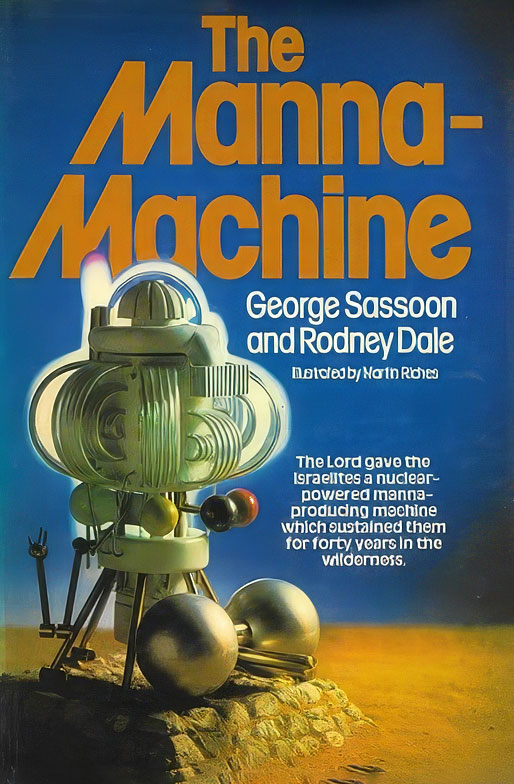
The Manna Machine
The Manna Machine is a 1978 book by George Sassoon and Rodney Dale, based upon a translation of a section of the Zohar.
The machine was reproduced by Sassoon who was an engineer, who followed the directions given in The Ancient of Days and he claimed it created a food source of algae. This explains how the Israelites survived their forty-year journey in the Sinai Desert. It is said by Sassoon and Dale that a nuclear reactor used to power the manna machine was stored within the Ark of the Covenant.
George Thornycroft Sassoon, personally, was an atheist. He was a direct descendant of the Jewish merchant and banking dynasty known as the ‘Rothschilds of the East’. Alfred Sassoon, Siegfried’s father had ‘married out’ to Theresa (née) Thornycroft.
The Sassoon family disapproved, cutting Alfred out of his legacy. Siegfried financed his purchase of Heytesbury House with an inheritance from his aunt, Rachel Beer. She had also been disowned for marrying out. She was the first female editor of a British national newspaper – The Observer.
preternatural.co.uk
PRETERNATURAL SITE MAP
PRETERNATURAL EXTERNAL LINKS